


In luxury hotel design, furniture selection is far more than an aesthetic decision. The balance between fixed furniture and loose furniture plays a defining role in how a guest room functions, feels, and endures over time. For hotel owners and interior designers, this choice directly affects spatial flow, guest comfort, maintenance requirements, and long-term value.
Understanding how to thoughtfully combine fixed and loose furniture is essential to creating hospitality interiors that feel both bespoke and practical — refined yet resilient.
Understanding Loose Furniture: Flexibility Within the Space
Loose furniture refers to pieces that are not permanently attached to the building structure. Common examples include lounge chairs, side tables, coffee tables, desk chairs, and floor lamps.
Advantages of Loose Furniture
One of the greatest strengths of loose furniture is adaptability. These pieces can be rearranged to refresh the room layout, accommodate different guest preferences, or respond to changing trends without structural work. Loose furniture is also generally more cost-effective upfront, as many items are produced in standard or semi-custom formats.
From a maintenance perspective, individual pieces can be repaired or replaced independently, minimising disruption to the room as a whole and reducing downtime between guest stays.
Disadvantages of Loose Furniture
If not carefully specified, loose furniture can appear visually disconnected from the architecture of the room. In high-traffic hotel environments, lighter pieces may shift unintentionally, affecting circulation paths and occasionally presenting safety or housekeeping challenges. Durability also varies greatly depending on material quality and construction.
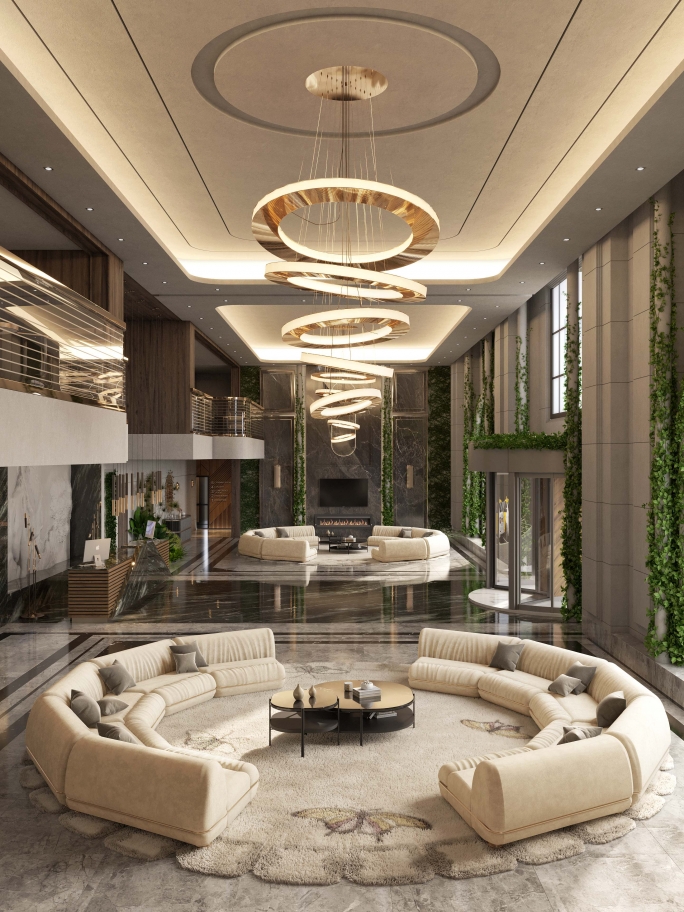
Understanding Fixed Furniture: The Bespoke Foundation
Fixed furniture, often referred to as joinery or built-in furniture, is custom-designed and permanently installed. This includes headboards, wardrobes, vanities, built-in desks, and integrated storage.
Advantages of Fixed Furniture
Fixed furniture defines the visual language of a luxury hotel guest room. Because it is custom-made, it allows designers to maximise space efficiency, utilise vertical surfaces, and create seamless integration with architecture. Built-in elements also offer greater stability, meeting strict hospitality safety standards and reducing the risk of movement or tipping.
In premium hotels, fixed furniture contributes to a cohesive, high-end aesthetic that feels intentional and enduring.
Disadvantages of Fixed Furniture
The primary consideration with fixed furniture is investment. Custom design, fabrication, and installation require a higher upfront cost and skilled labour. Once installed, flexibility is limited — changes to layout typically require partial renovation. Precision during installation is critical, particularly in buildings where walls and floors may not be perfectly level.
Creating Comfort Through Balance in Hotel Guest Rooms
In practice, most well-designed three-star to five-star hotels rely on a considered combination of both fixed and loose furniture. This balance is often what makes a guest room feel simultaneously refined and comfortable.
A fixed headboard, for example, creates a strong visual anchor and allows for integrated lighting, power points, and storage. Loose furniture — such as upholstered chairs, sofas, or occasional tables — introduces softness, warmth, and a sense of domestic comfort.
Modern travellers increasingly value a “home-like” experience. Through custom hotel furniture design, guest rooms can accommodate work, rest, and relaxation seamlessly, adapting to different guest behaviours without sacrificing elegance.
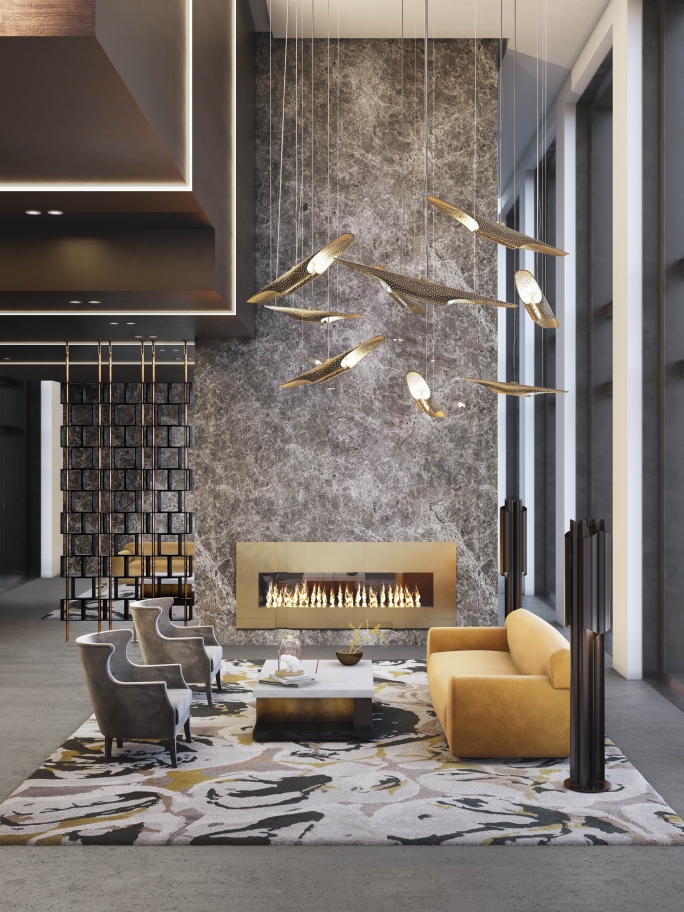
Designing for Longevity: Quality, Budget, and Performance
Whether furnishing a boutique hotel or a luxury suite, durability should remain a priority. Fixed furniture benefits from commercial-grade materials and finishes that withstand constant use, while loose furniture adds character, flexibility, and visual variation.
When thoughtfully specified, the combination of fixed and loose furniture delivers:
-
Long-term performance
-
Design consistency across rooms
-
Enhanced guest comfort and usability
This strategic balance allows hotel interiors to age gracefully while maintaining operational efficiency.
Crafting Hospitality Interiors With Elsa Home & Beauty
At Elsa Home & Beauty, we work closely with designers, developers, and hotel operators to deliver custom furniture solutions for hospitality environments. From bespoke fixed joinery to refined loose furniture, each piece is developed with performance, proportion, and material integrity in mind.
Our approach combines thoughtful design development, precision craftsmanship, and an understanding of how guests interact with space. Whether supporting a single guest room or an entire hotel fit-out, we focus on creating interiors that feel cohesive, durable, and quietly luxurious.
By balancing fixed and loose furniture with intention, hospitality spaces can achieve timeless design, operational practicality, and a guest experience that stands the test of time.


