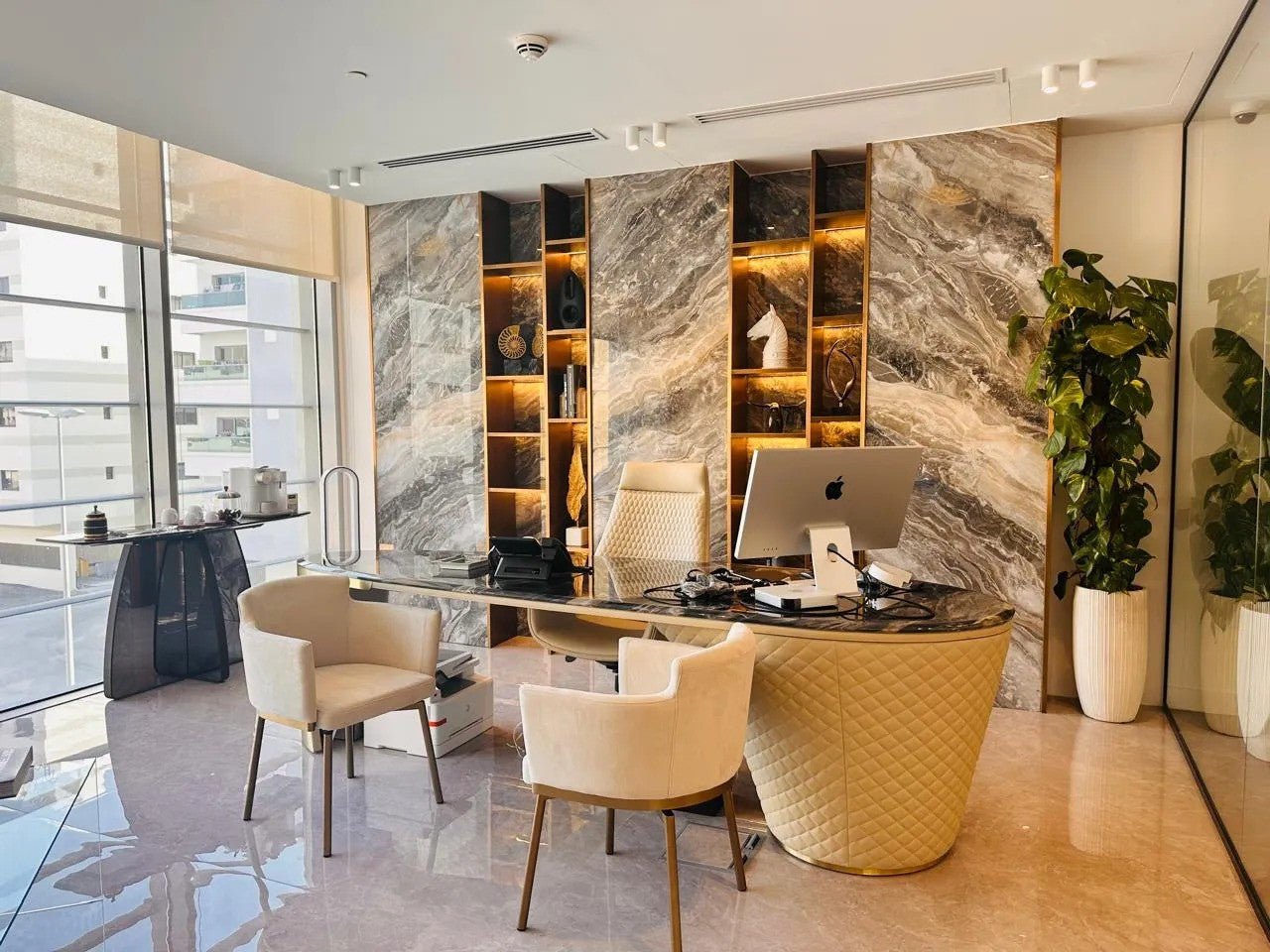


In luxury interiors, furniture is never just functional. It embodies cultural expression, architectural intention, and material philosophy brought to life. From the dramatic veining of marble to the tactile warmth of walnut, the materials chosen define how luxury is experienced, remembered, and felt. For architects, interior designers, and collectors alike, materials are not afterthoughts—they are the intellectual and emotional foundation of design.
In contemporary luxury furniture, the focus has shifted from ostentation to considered restraint. Authenticity, provenance, and longevity now guide design decisions. This article examines how iconic materials such as marble and walnut continue to shape elevated, enduring interiors.
Understanding the Language of Luxury Materials
Before a piece is touched, materials speak volumes. They communicate values—heritage, innovation, and permanence—through their very presence. In high-end furniture, the choice of material serves as a silent narrative, reflecting refinement and cultural awareness.
Luxury is not solely about rarity. True luxury materials combine durability, sensory richness, and historical resonance. From natural stone to fine hardwoods and hand-finished metals, these materials gain character with age, developing patina rather than fading into obsolescence.
Beyond Aesthetics: The Functional Beauty of Materials
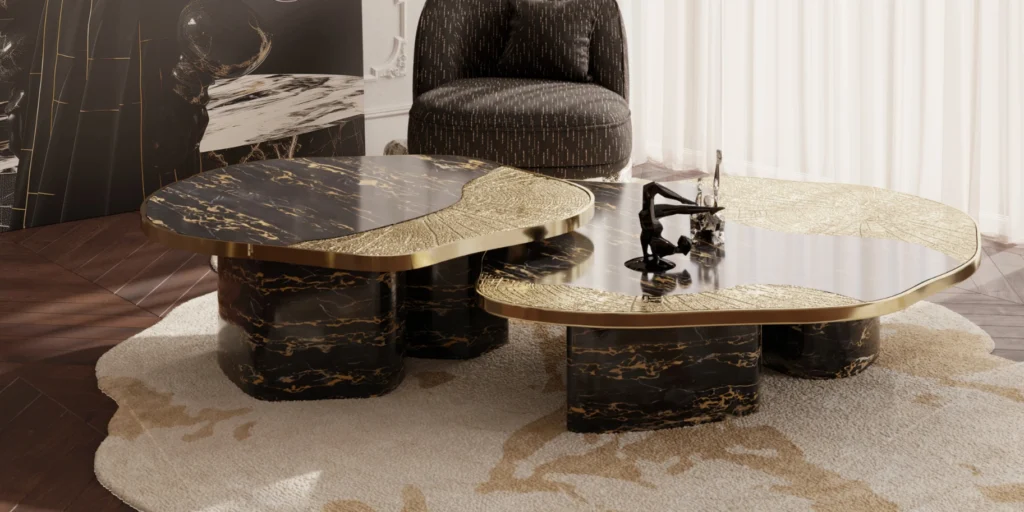
Sophisticated interiors prioritize performance as much as appearance. The cool solidity of marble, the inviting warmth of walnut, and the subtle irregularities of handcrafted finishes create a layered, lived-in elegance.
Key qualities of luxury materials include:
-
Visual depth: Natural variations in grain, veining, and tone provide complexity.
-
Tactile engagement: Texture strengthens emotional connections to furniture.
-
Longevity: High-quality materials mature gracefully, supporting sustainable living.
Marble Furniture: Monumentality in Modern Spaces
Few materials convey architectural gravitas like marble. Once reserved for temples, palaces, and sculpture, marble now enriches contemporary interiors as both a structural and sculptural element. It represents a dialogue between permanence and modernity.
The Cultural Significance of Marble
From Carrara to Calacatta, marble’s legacy is tied to centuries of artistic and architectural achievement. Its revival in furniture design reflects a desire for materials that anchor interiors in history while remaining relevant to today’s lifestyles.
Marble tables, consoles, and statement seating provide weight and authority, yet when paired with minimalist forms, they achieve refined, architectural elegance rather than heaviness.
Why Marble Remains a Designer Favourite
-
Exclusivity: Each slab of marble is unique.
-
Structural strength: Combines durability with visual presence.
-
Timeless appeal: Aesthetic relevance that transcends trends.
In luxury residences and high-end hospitality projects, marble furniture often serves as a focal point, grounding open-plan spaces and adding subtle drama to neutral palettes.
Walnut Interiors: Warmth, Craft, and Contemporary Refinement
If marble evokes monumentality, walnut embodies intimacy. Celebrated for its rich tones and fine grain, walnut has long been a hallmark of sophisticated interiors. In modern design, it conveys warmth, discretion, and cultivated taste.
Craftsmanship and Emotional Resonance
Walnut engages the senses quietly. Its deep browns and soft undertones create a sense of comfort without sacrificing sophistication, making it ideal for private homes, executive spaces, and boutique hospitality projects.
Versatile and enduring, walnut transitions effortlessly between classic and contemporary styles. Clean-lined cabinetry or sculptural furniture forms both showcase its natural beauty and highlight skilled craftsmanship.
Functional and Aesthetic Benefits of Walnut
-
Workability: Perfect for precision detailing and joinery.
-
Durability: Resistant to warping and long-lasting wear.
-
Visual warmth: Enhances spatial comfort and human scale.
Walnut frequently pairs with leather, brass, or stone, producing interiors that feel both contemporary and rooted in tradition.
Material Pairings: Elevating Interiors Through Contrast
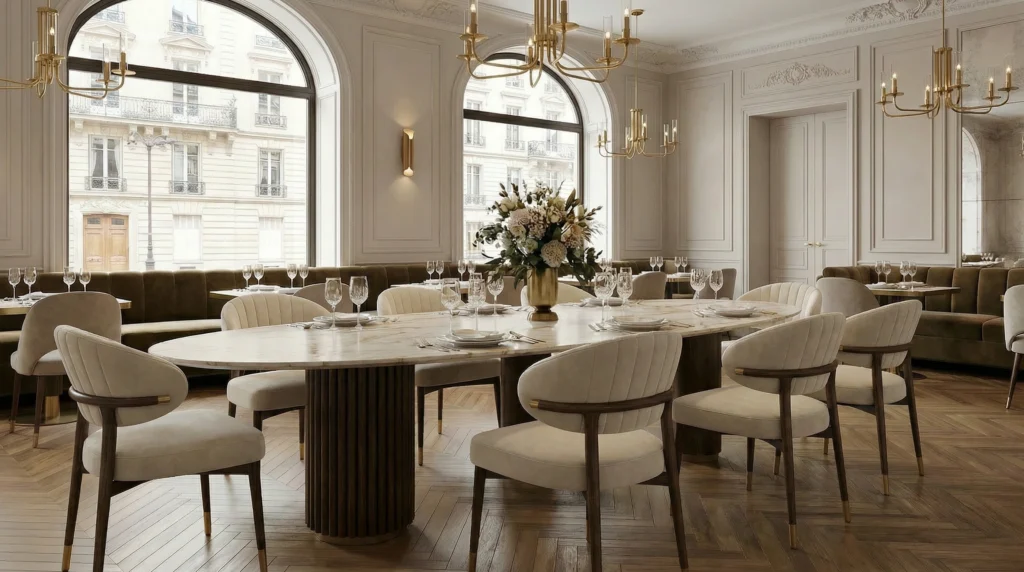
Luxury design often thrives on contrast. Combining cool and warm, smooth and textured, or heavy and light elements creates depth and visual interest. Pairing marble furniture with walnut interiors exemplifies this principle, producing curated spaces rather than merely decorated ones.
Strategic Combinations in High-End Design
Mixed-material pieces reflect architectural thinking and balance. A marble tabletop atop a walnut base merges permanence with warmth and structure with tactility.
-
Marble surfaces: Provide clarity, authority, and elegance.
-
Walnut elements: Introduce warmth and human scale.
-
Metal accents: Add rhythm and refinement.
This approach aligns with contemporary luxury values: intentionality, balance, and cohesive narrative.
Sustainability, Craftsmanship, and Ethical Material Choices
Modern luxury is inseparable from responsibility. Ethical sourcing, traceable stone, and durable construction contribute to more sustainable interiors. Longevity is one of the most effective sustainability strategies, as furniture made from lasting materials reduces waste and supports mindful living.
The Role of Craftsmanship
Materials achieve their full potential through expert hands. Precision marble cutting, careful wood selection, and meticulous finishing transform raw resources into heirloom-quality furniture.
-
Hand-finishing: Ensures material authenticity.
-
Artisanal knowledge: Preserves cultural heritage.
-
Quality control: Guarantees durability over decades.
Luxury Furniture as Cultural Investment
For design professionals and collectors, luxury furniture transcends mere functionality—it is cultural capital. Pieces crafted from exceptional materials retain aesthetic relevance and value, becoming part of a long-term design narrative.
In a world of increasingly standardized interiors, material-driven furniture offers distinction. Marble and walnut pieces resist fleeting trends, creating spaces that feel personal, considered, and architecturally grounded.
Material Choice as a Core Design Philosophy
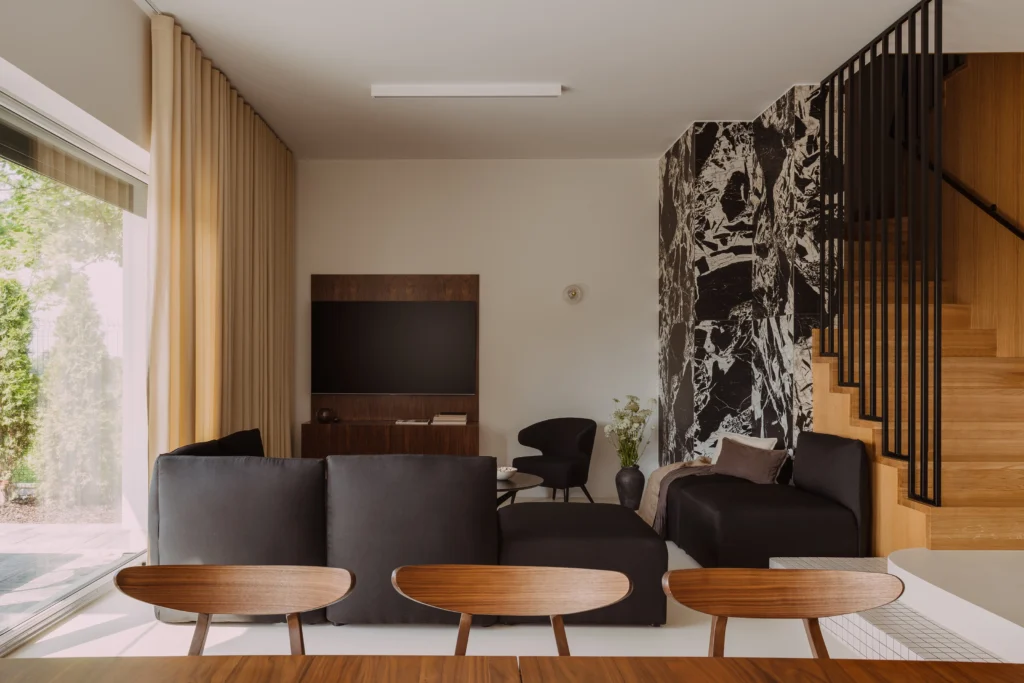
From walnut to marble, the selection of materials expresses design intent more clearly than any other element. It shapes how furniture interacts with space, how it ages, and how it is perceived over time.
Luxury interiors prioritize authenticity, longevity, and narrative coherence. Marble anchors spaces with quiet authority, walnut provides warmth and human connection, and together they define a refined vision of enduring luxury.