


By 2026, sustainability is no longer a secondary consideration in interior design — it has become the benchmark of true luxury. Homeowners and designers are moving away from disposable furnishings and trend-driven purchases, instead prioritising quality, longevity, and responsibly sourced materials. This shift has firmly positioned bespoke furniture at the centre of contemporary interiors.
Unlike mass-produced pieces, bespoke furniture is created with intention. Each table, cabinet, or shelving system is designed for a specific space and lifestyle, reducing unnecessary waste while delivering both functional and emotional value. At Elsa Home & Beauty, sustainability underpins every stage of the design process, with furniture crafted to last generations rather than seasons.
This guide explores how responsible materials, evolving custom design trends, and ethical production methods are shaping sustainable bespoke furniture in 2026 — and why these considerations matter when investing in high-end interiors.
Why Bespoke Furniture Is Inherently Sustainable
Made-to-Order Craftsmanship and Minimal Waste
One of the most significant sustainability benefits of bespoke furniture lies in its made-to-order nature. Unlike large-scale manufacturing, where overproduction often leads to excess inventory and landfill waste, bespoke pieces are crafted only when commissioned. Materials are measured precisely, ensuring efficient use and minimal surplus.
Organisations such as the Forest Stewardship Council highlight the importance of responsible sourcing paired with low-waste production. Bespoke workshops naturally operate within these principles by prioritising precision, quality, and craftsmanship over volume.
Designed for Longevity, Not Disposal
Sustainability extends beyond production methods — it is equally about lifespan. Well-crafted bespoke furniture is designed to be repaired, refinished, or adapted as needs change. Instead of replacing furniture, homeowners invest in pieces that evolve alongside their space.
A single bespoke table or cabinet can replace multiple lower-quality items over time, reducing overall consumption while offering superior long-term value.
Eco-Friendly Materials Defining Bespoke Furniture in 2026
Walnut Burl: Statement Design with Sustainable Intent
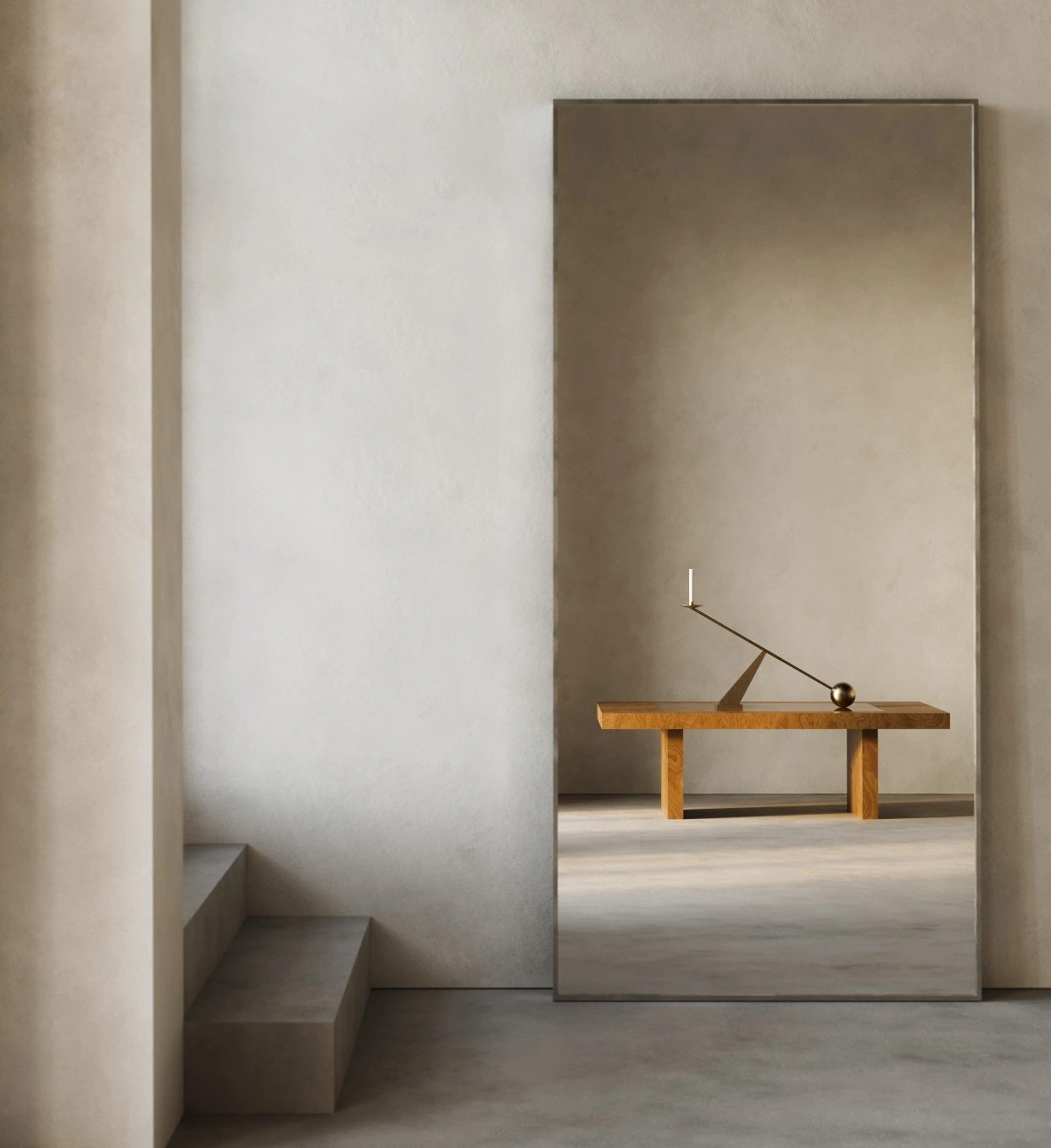
A handcrafted walnut burl coffee table represents one of the most expressive forms of sustainable luxury. Burl forms naturally as a growth irregularity on trees and is often discarded during conventional logging. When used intentionally, it transforms an otherwise overlooked material into a functional work of art.
Walnut burl is valued for:
• One-of-a-kind grain patterns
• Exceptional density and durability
• A bold, sculptural presence that ages beautifully
In modern interiors, a walnut burl coffee table acts as a sculptural centrepiece rather than a trend-based accessory, encouraging long-term ownership.
Birch Wood: Renewable, Refined, and Contemporary
Birch has emerged as a leading material in sustainable bespoke furniture due to its fast growth cycle and impressive structural properties. These qualities make it one of the most environmentally responsible hardwoods available today.
A refined birch coffee table introduces warmth and clarity to living spaces without visual heaviness. Similarly, a handcrafted birch wood coffee table suits Scandinavian-inspired and minimalist interiors where balance and light are essential.
Research from the European Forest Institute consistently recognises birch as a model species for sustainable forestry when responsibly managed.
Choosing the Best Wood for a Bespoke Coffee Table
Selecting the best wood for a bespoke coffee table involves more than aesthetics alone. Durability, grain stability, hardness, and aging behaviour all influence how a piece performs over time.
Bespoke design allows materials to be chosen based on real-life use and lifestyle needs rather than generic assumptions, ensuring long-term satisfaction and sustainability.
Comparison of Sustainable Wood Options
| Wood Type | Sustainability Level | Durability | Visual Character |
|---|---|---|---|
| Walnut Burl | High (upcycled material) | Very High | Sculptural, dramatic |
| Birch | Very High (fast-growing) | High | Light, modern |
| Oak | High (certified forestry) | Very High | Timeless, classic |
| Palissandro Santos | Moderate (ethical sourcing) | Very High | Expressive, luxurious |
Ethically Sourced Exotic Woods
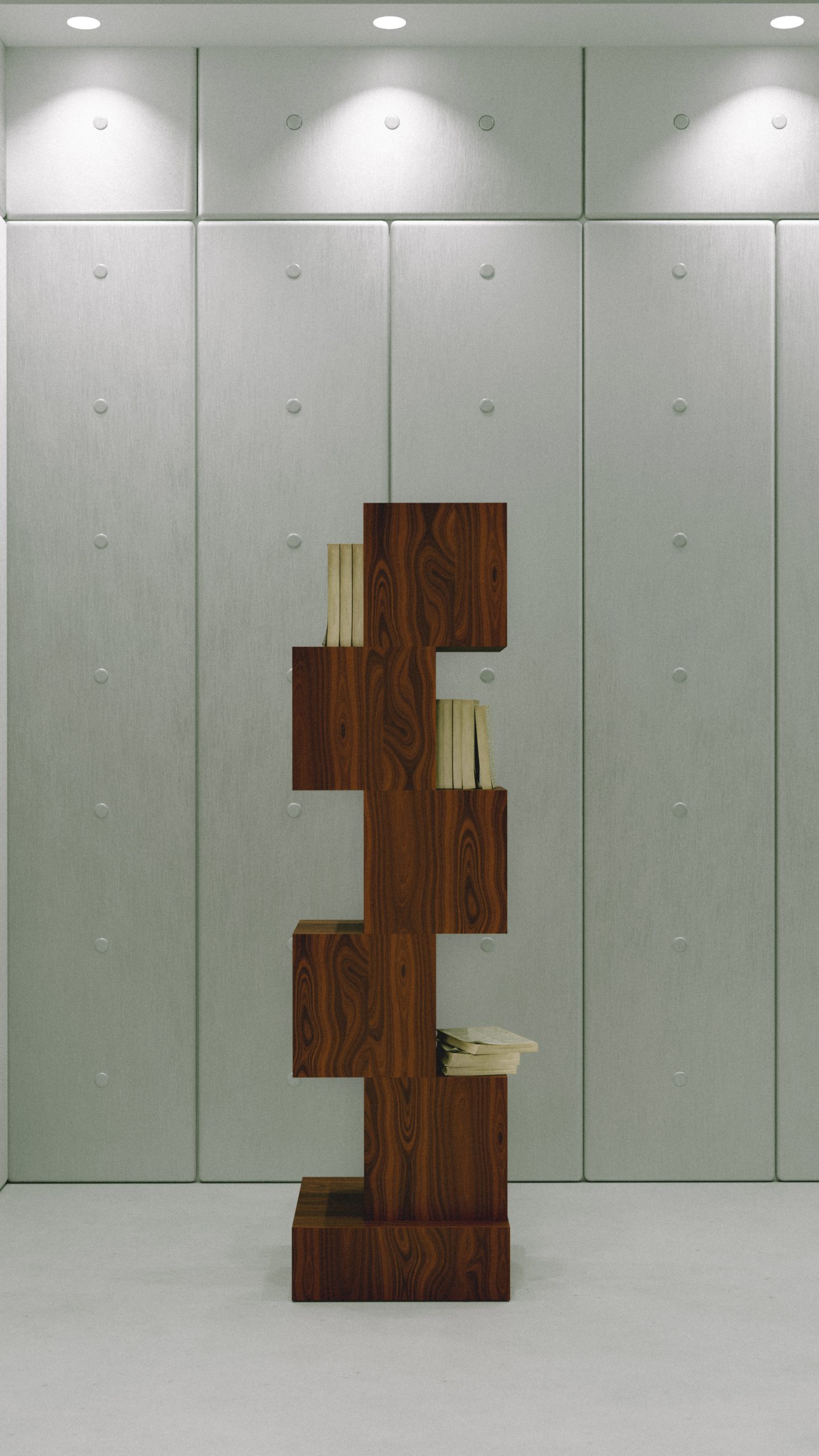
Sustainability does not exclude character-rich materials. When sourced responsibly, exotic woods can be used selectively to create enduring statement pieces. Palissandro santos, for example, is prized for its dramatic veining and exceptional strength.
When used thoughtfully rather than excessively, these materials enhance longevity and align with circular design principles promoted by the Ellen MacArthur Foundation.
Custom Design Trends Shaping Bespoke Furniture in 2026
Sculptural Silhouettes and Organic Forms
Furniture design in 2026 continues to blur the boundary between art and function. Curved profiles, organic bases, and tactile finishes are increasingly defining bespoke interiors, particularly in custom table design.
A sculptural bespoke coffee table often becomes the visual anchor of a room, reducing the need for excessive decoration and supporting a more intentional approach to living.
Storage as Architectural Expression
Storage furniture has evolved beyond pure functionality. Contemporary interiors increasingly favour shelving systems and cabinetry that shape the architecture of a space itself.
Well-designed bespoke bookcases combine open display with concealed storage, acting as both functional and visual anchors. This approach encourages fewer, more meaningful furniture pieces — a core principle of sustainable living.
Custom storage solutions, including tailored cabinets and integrated systems, further support this trend by adapting precisely to spatial and functional needs.
Coffee Table Trends and Interior Direction in 2026
Coffee table trends in 2026 emphasise authenticity and material honesty. Natural finishes, grounded proportions, and multifunctional designs dominate modern living spaces.
These trends reflect a broader shift toward conscious consumption and long-term thinking — values supported by the World Green Building Council.
Responsible Manufacturing and Craftsmanship
Low-Waste Production Practices
Bespoke furniture workshops prioritise quality over quantity. Materials are cut with intent, finishes are applied by hand, and offcuts are often reused or repurposed. This results in significantly less waste than conventional industrial manufacturing.
Local Production and Reduced Carbon Footprint
Producing furniture closer to the end client helps reduce transportation emissions while supporting regional craftsmanship. Local manufacturing also allows for greater transparency, closer collaboration, and superior quality control.
Why Bespoke Furniture Is a Long-Term Investment
Choosing bespoke furniture is an investment in longevity rather than trend cycles. A handcrafted coffee table, custom cabinet, or shelving system can be refinished, reconfigured, or recontextualised as a space evolves.
By investing in fewer, better-made pieces, homeowners reduce environmental impact while elevating the overall quality of their interiors.
How to Choose Sustainable Bespoke Furniture in 2026
Key considerations before investing include:
• Verifying material sourcing and certifications
• Prioritising timeless design over short-lived trends
• Choosing multifunctional pieces where possible
• Ensuring repairability and refinishing options
These principles help ensure bespoke furniture remains both sustainable and relevant for decades to come.
Conclusion: Sustainability as the Foundation of Bespoke Design
In 2026, sustainable bespoke furniture represents a refined balance of craftsmanship, responsibility, and timeless design. By choosing eco-conscious materials, thoughtful customisation, and ethical production, homeowners invest not only in furniture but in a more considered way of living.
At Elsa Home & Beauty, bespoke furniture is created to endure — aesthetically and ethically — demonstrating that sustainability and luxury are no longer separate concepts, but a single unified standard.


