


Choosing a natural stone for furniture can feel like a big decision. Travertine and marble are both celebrated for their timeless beauty, yet they differ in durability, upkeep, and visual character. Whether you’re considering a refined travertine coffee table or debating marble for your living area, understanding how these stones perform in real homes will help you choose a piece that endures for decades.
At Elsa Home & Beauty, we design bespoke sculptural furniture that highlights the raw elegance of natural stone. Our makers know that the choice between travertine and marble goes beyond appearance—it’s about how you live, how you use your furniture, and how much maintenance you’re prepared to commit to over time.
What Is Travertine and Why Has It Been Used for Centuries?
Travertine is a type of sedimentary limestone created when calcium carbonate precipitates from mineral-rich freshwater, most commonly from hot springs. Research from the U.S. Geological Survey explains that travertine develops as heated water—typically between 25 and 73 degrees Celsius—releases dissolved minerals that crystallize when exposed to air. This natural process gives travertine its distinctive porous surface and layered, organic patterning.
Its appeal is far from new. Ancient Romans valued travertine for its strength and versatility, quarrying it near Tivoli to build landmarks such as the Colosseum and the colonnades of St. Peter’s Square. Today, a well-designed travertine side table carries that architectural legacy into modern interiors, blending history with contemporary living.
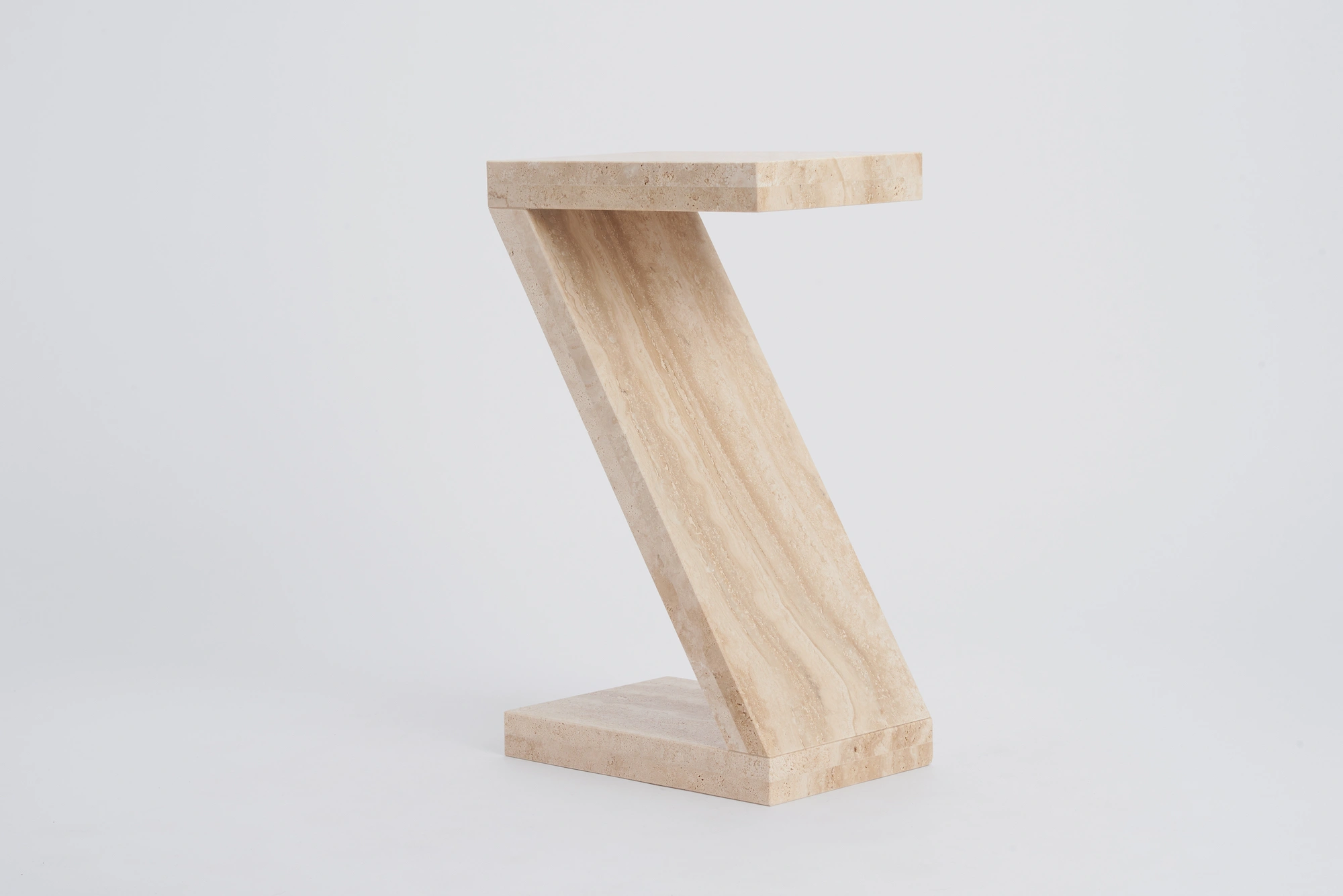
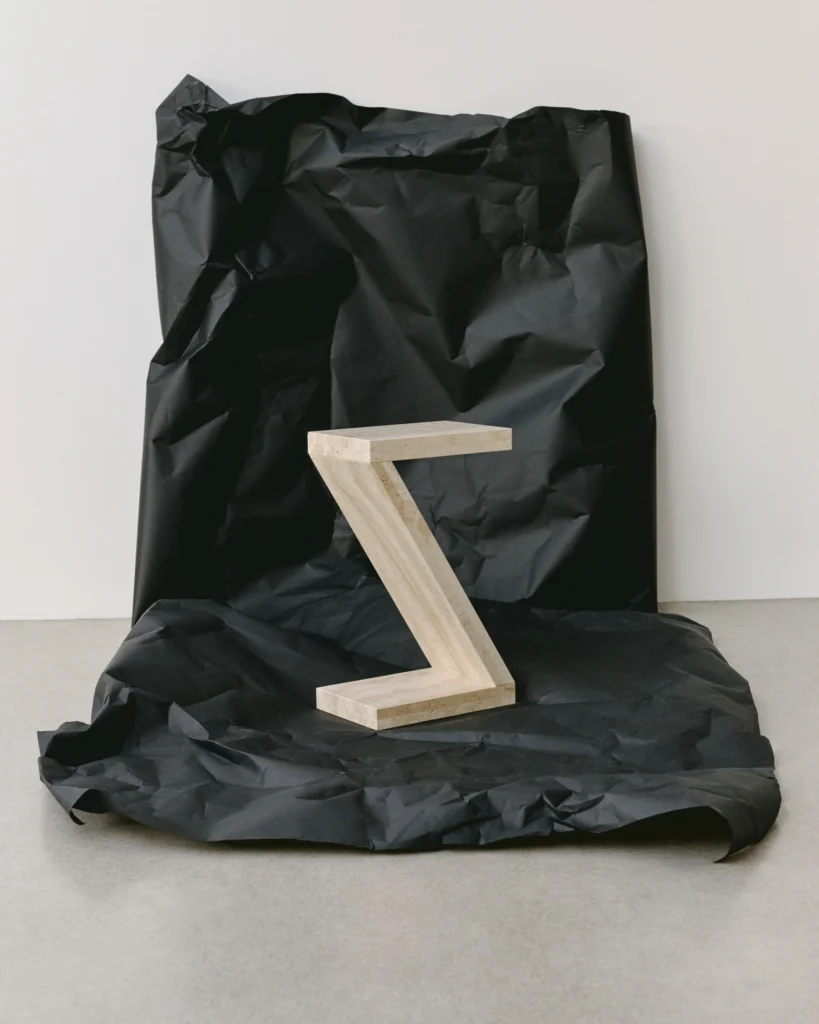
Our Travertine Side Table reflects the enduring beauty of this material. Handcrafted in Portugal from premium Travertino Romano Classico, each piece is shaped by skilled artisans and features unique veining that makes every table one of a kind. With dimensions of 30 x 20 x 50 cm, the design balances sculptural form with everyday practicality—ideal for modern homes that value both function and artistry.
How Is Marble Different from Travertine?
Marble is formed through a completely different geological journey. It begins as limestone but transforms under intense heat and pressure deep beneath the Earth’s surface. This metamorphic process causes the calcite crystals to recrystallize into tightly interlocking structures, resulting in marble’s smooth texture and dramatic veining.
For thousands of years, marble has symbolized refinement and luxury. From Michelangelo’s sculptures carved in Carrara marble to ancient Greek temples that glow softly in the sun, marble has long been admired for its luminous quality. When used in custom furniture, such as a marble coffee table, it brings that same sense of prestige and visual depth into the home.
Travertine vs. Marble: Quick Comparison Guide
Knowing the core differences between travertine and marble can help you choose the best stone for your coffee table or accent furniture:
| Characteristic | Travertine | Marble |
|---|---|---|
| Formation | Sedimentary (mineral precipitation) | Metamorphic (heat & pressure) |
| Mohs Hardness | 3 – 4 ⚠️ | 3 – 5 ⚠️ |
| Surface Texture | Naturally porous with organic patterns ✅ | Smooth with elegant veining ⚠️ |
| Color Range | Warm earth tones: cream, tan, rust, gold ✅ | Wide spectrum: white, gray, green, black, pink ✅ |
| Maintenance | Regular sealing; forgiving of wear ⚠️ | Frequent sealing; prone to etching ❌ |
| Price Point | Generally more affordable ✅ | Premium pricing (varies by type) ❌ |
| Best For | Rustic, Mediterranean, contemporary styles ✅ | Classic, luxurious, formal interiors ✅ |
Durability and Hardness: How Do They Compare?
Travertine and marble fall into a similar range on the Mohs hardness scale, usually between 3 and 5 depending on the variety. According to the Natural Stone Institute, this places both stones in the softer category, meaning care and sealing are essential to preserve their appearance.
Travertine’s open, textured surface may seem like a drawback at first, but many designers see it as an advantage. Its natural variations and pores help disguise small scratches and signs of daily use. For side tables or end tables that see frequent activity, this ability to age gracefully can be a major benefit.
Marble, by contrast, has a smoother finish that tends to reveal imperfections more easily. Water rings, etching from acidic liquids, and surface marks are more noticeable. Spills from wine, citrus, or harsh cleaners can cause permanent damage if not cleaned quickly, making marble better suited to careful use.
Stain and Damage Resistance: Travertine vs. Marble
| Substance / Damage | Travertine | Marble |
|---|---|---|
| Red Wine | ⚠️ Moderate – wipe quickly | ❌ High risk – stains fast |
| Coffee | ⚠️ Moderate – may darken pores | ❌ High risk – leaves marks |
| Citrus / Lemon | ❌ Etches surface | ❌ Etches quickly |
| Water Rings | ✅ Hidden by texture | ❌ Visible on surface |
| Light Scratches | ✅ Camouflaged by porosity | ⚠️ Visible on smooth finish |
| Heat (Hot Cups) | ✅ Resistant | ✅ Resistant |
| UV / Sunlight | ✅ Stable color | ⚠️ May yellow over time |
Results depend heavily on sealing and daily care. Coasters and immediate spill cleanup are always recommended.
Aesthetic Differences: Choosing the Look You Love
Travertine’s Natural Warmth
Travertine is known for its earthy, inviting tones. Soft creams, warm beiges, honey hues, and occasional rust or gold accents develop naturally from mineral deposits over time. This warmth makes travertine an excellent choice for Mediterranean-inspired, rustic, or modern interiors that emphasize natural materials.
Its porous texture adds depth and interest, especially in furniture design. Filled and polished travertine offers a refined look, while unfilled finishes celebrate the stone’s raw, authentic character. Both styles work beautifully in statement furniture where material honesty is part of the appeal.
Marble’s Refined Luxury
Marble offers extraordinary visual diversity. Carrara is subtle and understated, Calacatta is bold and dramatic, Nero Marquina is strikingly dark, and Emperador introduces rich brown tones. This range allows marble to complement almost any interior style.
One of marble’s most captivating qualities is the way it interacts with light. Its crystalline structure allows light to penetrate slightly beneath the surface before reflecting, creating a soft glow that few materials can match. In bright spaces, marble surfaces evolve throughout the day as light shifts.
Which Stone Is More Sustainable?
Both travertine and marble are among the most sustainable materials used in furniture and architecture. As naturally occurring stones, they require far less energy to produce than engineered surfaces that rely on resins, chemicals, and intensive manufacturing.
Comparative studies of flooring materials show that natural stone generates significantly lower CO₂ emissions during production and installation than ceramic tiles, PVC, laminates, or even hardwood. For environmentally conscious homeowners, choosing stone furniture supports long-term sustainability while offering exceptional durability.
For deeper insights, explore our detailed guide on sustainable bespoke furniture, where we discuss responsible sourcing, longevity, and mindful material choices.
Best Furniture Applications for Travertine and Marble
Travertine works especially well for coffee tables in active living rooms where spills are common, side tables near windows where sunlight highlights its texture (such as our handcrafted Travertine Side Table in Travertino Romano Classico), console tables in entryways that benefit from warm tones, and even outdoor furniture thanks to its thermal stability.
Marble excels in statement dining tables for formal settings, decorative accent tables in low-traffic areas, bathroom vanities when properly sealed, and shelving or display units where it adds elegance without constant exposure to liquids.
Contemporary design trends increasingly pair natural stone with organic forms and sculptural silhouettes. Our article on 2026 coffee table trends explores how designers are using travertine and marble as functional art in modern interiors.
Making the Right Choice for Your Home
Your lifestyle plays a major role in deciding between these stones. Households with children, pets, or frequent gatherings often appreciate travertine’s forgiving surface. Those seeking a dramatic, polished look—and willing to maintain it carefully—may gravitate toward marble.
Travertine is generally more budget-friendly, although rare varieties of either stone can command premium prices. Location and quarry proximity also affect cost due to transportation and sourcing factors.
Partnering with experienced artisans ensures the best outcome no matter which stone you choose. Elsa Home & Beauty specializes in crafting bespoke furniture that respects the natural character of travertine and marble alike, transforming raw stone into timeless pieces that elevate everyday living.


